


Drinking Water

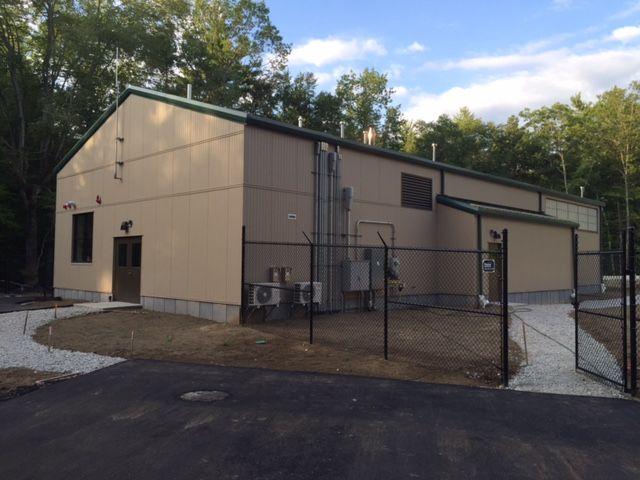
Exeter's municipal water system provides drinking water and fire protection to the majority of the Town's population. The Town relies on a combination of surface water and groundwater to meet Exeter's water supply needs. The majority of the water produced in town comes from the Water Treatment Plant.
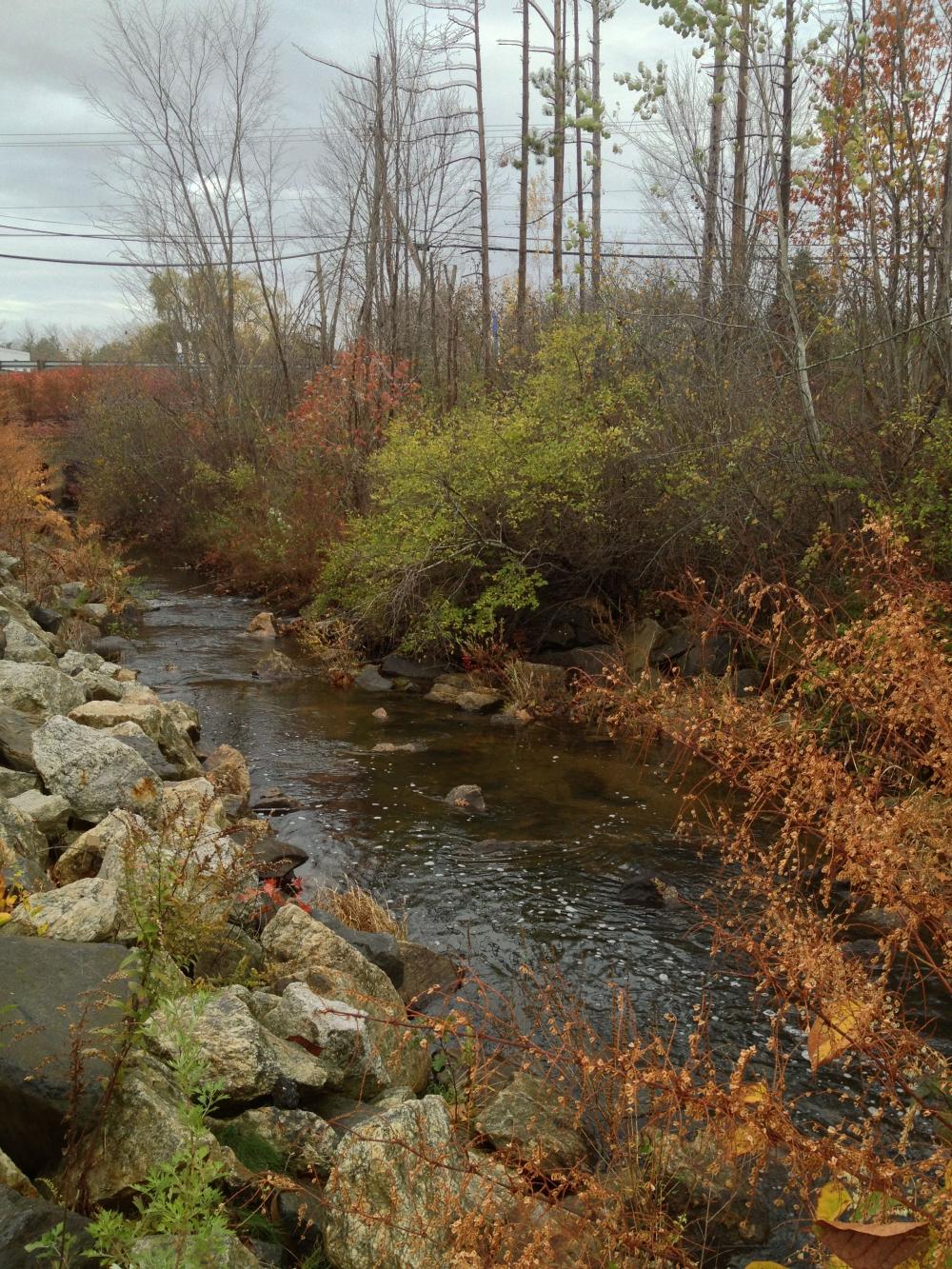
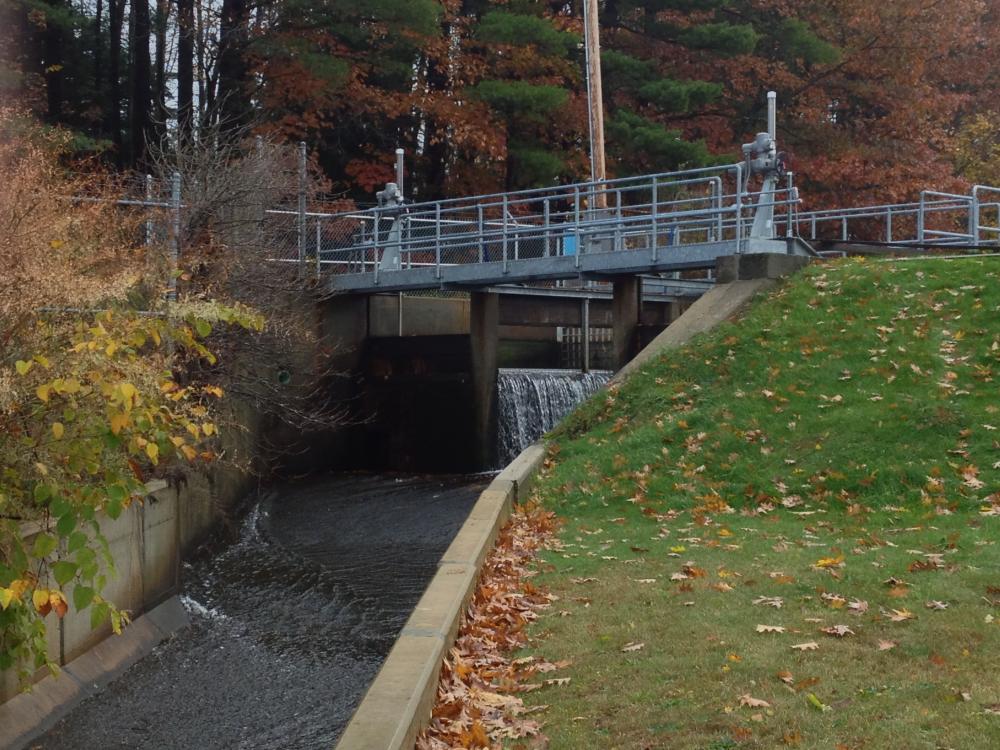
The primary water supply source is the Exeter River which is pumped to the Water Treatment Plant. Exeter also uses the Exeter Reservoir which is fed by Dearborn Brook, adjacent to the Water Treatment Plant. Exeter's groundwater sources include Skinner Springs, Stadium Well, Gilman Well, and Lary Lane well.
Additionally, Exeter's water distribution system includes three storage tanks (Epping Road, Hampton Road, and Cross Road), four pumping stations, and approximately 55 miles of water pipe.
If you are experiencing a water problem with the municipal water supply (no water, low water pressure, odor, red-black-brown water):
Contact the Water Treatment Plant 603-773-6169
A link to the EPA lead-free certification for drinking water and plumbing materials is below.
Water Service Interruptions:
Water service interruptions will be updated here.
Water Main Breaks:
Water main breaks most commonly occur during the winter months due to freezing temperatures and rapid temperature changes. A water main is a large underground pipe that carries treated drinking water from the Town’s water system to homes and businesses. When the ground freezes and shifts, it places stress on these pipes. As water temperatures drop and demand fluctuates, older or weakened sections of pipe can crack or rupture, causing a break. While winter conditions increase the likelihood, water main breaks can happen at any time of year due to aging infrastructure, corrosion, soil movement, or sudden pressure changes.
When a water main break occurs, crews work quickly to isolate the affected section, make repairs, and restore service as safely and efficiently as possible. Depending on the location and severity, some residents may experience temporary water interruptions or reduced pressure. Due to the unexpected occurrence of these situations, during the day or overnight, we encourage residents to be prepared.
We recommend preparing by storing an adequate water supply for the day. Suggested precautions include:
- Filling pitchers or containers with drinking water
- Filling sinks or bathtubs for household use
- Purchasing bottled water if needed
Water main / Hydrant Flushing
Why flush the water distribution system?
Flushing is required as a form of routine maintenance of the water distribution system in order to flush out sediment within the water mains and their valves. Flushing also removes biofilms, which occur naturally in water mains. Flushing will help to reduce Total Tri-Halomethanes in the distribution system and help to maintain water quality. The current disinfectant, chloramines, is used to protect the water in the distribution system, and becomes less effective as water collects and becomes older. A new flushing program has been designed to achieve proper internal “pipe scouring” velocities for better water main cleaning. Discoloration of the water can and may occur. Laundry should not be done during times of discoloration, as clothes may become stained. Residents may also experience low water pressure or no pressure for short periods of time. It is recommended not to use hot water if you are experiencing low water pressure or have discolored water. This will allow you to avoid burning out heating elements or filling a hot water heater with rusty water.
Click any thumbnail image to view a slideshow


Supporting Documents


Follow Us

Contact Information
Department of Public Works
13 Newfields Road
Exeter, NH 03833
(603) 773-6157
PublicWorks@exeternh.gov
Upcoming Events
-
10/03/2026 - 8:00am